

The probiotic industry loves big promises. “Boost your immunity!” “Strengthen your defences!” But when you strip away the marketing, what does the research actually show? The answer is more nuanced than supplement labels suggest—and honestly, more interesting too.
Important information
This content is provided for informational purposes only and does not constitute medical advice. Consult a qualified healthcare professional for any decisions regarding your health.
The immune-probiotic connection in 4 key points
- Roughly 70% of your immune system activity happens in your gut—this is not marketing hyperbole
- Clinical evidence shows specific strains can reduce respiratory infection risk by about 9-10%
- Not all probiotics work the same way; strain specificity matters far more than CFU count
- Expect 6-8 weeks minimum before measurable immune benefits—anyone promising faster results is overselling
What this article covers
- The Gut-Immune Connection: Why Your Microbiome Matters More Than You Think
- What the Science Actually Says: Separating Evidence from Marketing
- The Strains That Matter: Immune-Specific Probiotics Worth Knowing
- When Probiotics Will Not Help (And What To Do Instead)
- Your Questions on Probiotics and Immunity
The Gut-Immune Connection: Why Your Microbiome Matters More Than You Think
Here is what most articles get wrong from the start: they treat the gut-immune connection as a vague wellness concept. It is not. The mechanism is concrete and well-documented.
70%
of your immune system by weight is concentrated in gut-associated lymphoid tissue
According to a Trends in Immunology 2024 review, gut-associated lymphoid tissue (GALT) makes up approximately 70% of the immune system by weight. This is not a minor anatomical detail. Your gut is essentially running a continuous training programme for immune cells.

The diverse bacteria in your gut maintain GALT in what researchers describe as a “chronically activated state.” Think of it as keeping your immune system warmed up rather than starting cold when a threat appears. This is why gut microbiome diversity keeps appearing in immunity research—it directly influences how prepared your immune defences are.
What does this mean practically? When you take probiotics, you are not just adding “good bacteria” to your digestive system. You are potentially influencing a tissue that trains most of your body’s immune cells. The question is whether the specific bacteria in your supplement actually contribute to this process. That depends entirely on strain selection.
What the Science Actually Says: Separating Evidence from Marketing
The most common mistake I observe in wellness communities is treating all probiotics as interchangeable. Someone reads that “probiotics boost immunity” and grabs the first bottle they see. The science does not work that way.
Let me be direct: not all clinical evidence is equal. A 2022 Cochrane systematic review analysed 24 randomised controlled trials involving nearly 7,000 participants. The finding? Probiotics reduced the risk of experiencing at least one upper respiratory tract infection (RR 0.91, meaning roughly a 9% reduction). That is statistically significant but hardly the immunity “boost” marketing materials suggest.
A more recent 2025 network meta-analysis covering 120 trials and over 100,000 adults found similar results for multi-strain probiotics (RR 0.90). The effect is real. It is also modest. Anyone selling “immune transformation” is overselling. What you are actually getting is a measurable but incremental improvement in infection resistance.
Understanding the numbers: A relative risk of 0.90 means roughly a 10% reduction in your likelihood of catching a respiratory infection compared to not taking probiotics. If your baseline risk was 40% during a winter season, probiotics might lower that to around 36%. Meaningful? Yes. Miraculous? No.
The difference between strains matters enormously. Here is what the evidence actually shows for immune-specific outcomes:
| Strain | Primary Evidence | Study Quality | Realistic Effect |
|---|---|---|---|
| Lactobacillus rhamnosus GG | Reduced respiratory infections, immunomodulation | Strong (multiple RCTs) | ~9-12% reduction in infection incidence |
| Bifidobacterium animalis | Respiratory infection reduction | Moderate (3 trials, 2025 meta-analysis) | ~21% reduction (RR 0.79) |
| Multi-strain combinations | General respiratory protection | Moderate (16 trials) | ~10% reduction in infection risk |
| Generic “Lactobacillus” (unspecified) | Variable, often marketing-driven | Weak to none | Unpredictable; may have no immune effect |
The pattern is clear. Strain-specific research shows consistent effects. Generic “probiotic” labels without strain identification? Essentially a gamble. This is one area where a doctor’s analysis of biohacking safety becomes valuable—understanding which interventions have evidence behind them versus which are simply trending.
The Strains That Matter: Immune-Specific Probiotics Worth Knowing
A friend contacted me last year, frustrated after trying multiple probiotic brands without results. She kept getting winter infections despite taking supplements daily. When I asked which strains she was using, she had no idea. The product labels just said “probiotic blend” with impressive CFU numbers.
This is the error I see constantly. People chase colony-forming unit counts—10 billion! 50 billion!—while ignoring strain specificity. According to NIH dietary supplement guidance, effective dosages vary dramatically by strain and intended benefit. For Lactobacillus rhamnosus GG specifically, research suggests a minimum of 10 billion CFU daily for immune effects. But that number means nothing if you are taking a different strain entirely.
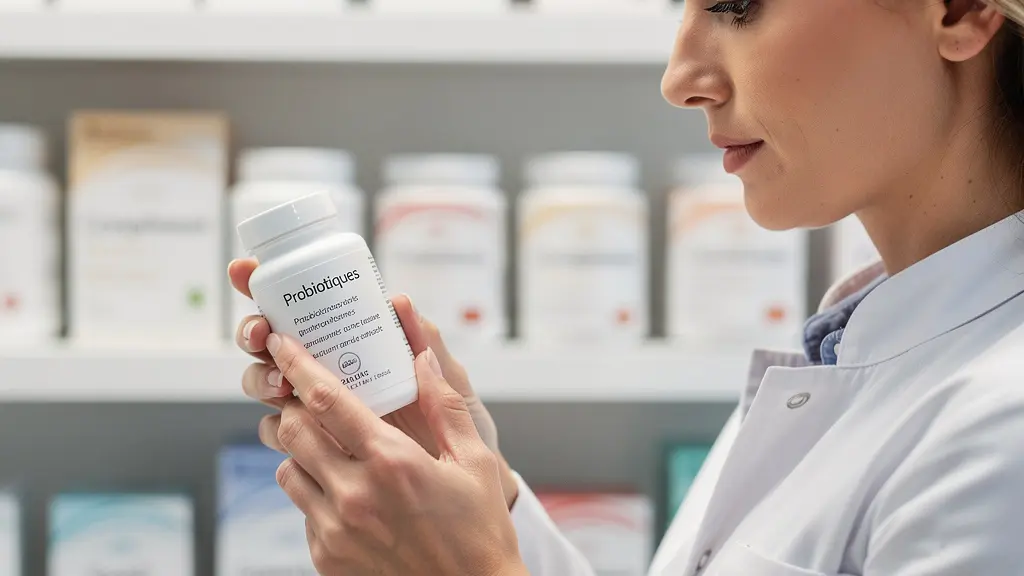
Here is what I recommend when selecting probiotics for immune defenses by supplements: focus on strains with documented immune research, verify viability guarantees, and ignore the marketing noise around CFU maximisation.
Quality markers: How to spot an effective probiotic
-
Full strain designation on label (genus, species, AND strain code—e.g., Lactobacillus rhamnosus GG, not just “L. rhamnosus”) -
CFU guarantee at expiration, not just at manufacture (viability matters) -
Third-party testing verification (ConsumerLab, NSF, or equivalent) -
Storage requirements clearly stated (refrigeration needs vary by strain) -
Manufacturer publishes or references clinical studies using their specific formulation
One pattern I frequently observe in wellness communities is the focus on colony-forming unit counts as the primary selection criterion, often overlooking the far more important question of strain specificity for immune support. A product with 100 billion CFU of a strain that has never been studied for immunity is less useful than 10 billion CFU of a well-researched immune-supporting strain.
Realistic timeline expectations matter too. Based on clinical trial protocols and what the research actually shows:
-
Gut adjustment period—minor digestive changes common -
Microbiome colonisation begins—no noticeable immune changes yet -
Measurable immune marker changes in clinical studies -
Sustained benefits with continued use—effects diminish if stopped
Anyone promising faster results is either exaggerating or selling a different benefit (digestive effects can appear sooner than immune effects).
When Probiotics Will Not Help (And What To Do Instead)
Here is what most probiotic articles will not tell you: there are situations where probiotics are unlikely to help, and some where they could potentially cause harm.
When to skip probiotics (or consult first)
Probiotics have an extensive safety record in healthy populations. However, individuals who are immunocompromised, critically ill, or have central venous catheters should avoid certain strains entirely. If you fall into any high-risk category, speak with your physician before starting supplementation.
The ISAPP 2023 safety perspectives note that while probiotics are generally safe, long-term studies in vulnerable populations remain limited. The honest answer is that we do not have complete safety data for everyone.
Beyond safety, probiotics simply may not address your actual problem. If your immune system weakness stems from chronic sleep deprivation, excessive stress, or poor overall nutrition, adding a probiotic supplement is treating a symptom rather than the cause. It is like taking vitamins while eating nothing but processed food—technically additive, but missing the point.
Practical recommendation: Before spending money on probiotic supplements, address the fundamentals first. Sleep quality, stress management, varied diet with prebiotic fibre, and basic hygiene practices will give you better returns than any supplement alone. Probiotics work best as an addition to a solid foundation, not a substitute for one.
For those serious about optimising health beyond single interventions, comprehensive health checkups in Dubai can identify specific deficiencies or imbalances that targeted supplementation might address—rather than guessing with generic products.
Probiotics will likely not help if:
- Your immune challenges are autoimmune in nature (different mechanism entirely)
- You have a specific infection requiring antimicrobial treatment
- Your gut issues stem from structural problems rather than microbiome imbalance
- You are taking medications that kill the probiotic bacteria before they colonise
This list is not exhaustive. When in doubt, consult a healthcare provider who can assess your individual situation rather than relying on generalised supplement advice.
Your Questions on Probiotics and Immunity
How long do I need to take probiotics to see immune benefits?
Based on clinical trial evidence, expect a minimum of 6-8 weeks before measurable immune changes occur. The bacteria need time to colonise your gut and influence GALT immune training. Effects typically diminish within weeks of stopping supplementation, so consistency matters more than short-term intensive use.
Are food-based probiotics as effective as supplements?
Fermented foods like yogurt, kefir, and kimchi contain live bacteria, but strain types and quantities vary batch to batch. Supplements offer standardised strains and doses, which is why clinical research typically uses supplements. That said, regular fermented food consumption contributes to overall microbiome diversity, which supports immune function through different mechanisms.
Can I take probiotics while on antibiotics?
You can, though timing matters. Take probiotics at least 2-3 hours apart from antibiotic doses to avoid the antibiotic killing the probiotic bacteria. Some research suggests probiotics during antibiotic treatment may reduce antibiotic-associated digestive issues. Continue for at least 1-2 weeks after completing your antibiotic course to support microbiome recovery.
Do higher CFU counts mean better immune effects?
Not necessarily. Research shows that effective doses vary by strain and condition. For immune support, studies on Lactobacillus rhamnosus GG suggest a minimum of around 10 billion CFU daily. Beyond adequate dosing, strain selection and viability at consumption matter more than maximising CFU numbers. A well-studied strain at 10 billion CFU typically outperforms an unstudied strain at 100 billion.
Should children take probiotics for immunity?
Paediatric probiotic use requires different dosing considerations and strain selections. Some strains studied in adults have not been adequately tested in children. If considering probiotics for a child, consult a paediatrician who can recommend age-appropriate formulations with established safety profiles.
Your next step
The evidence on probiotics and immunity is real but modest. A 9-10% reduction in respiratory infection risk is meaningful—but only if you select the right strains, maintain consistent use for months, and address the lifestyle foundations that no supplement can replace.
Immediate actions to take
-
Check your current probiotic (if any) for full strain designation—not just genus and species -
Look for third-party testing verification before purchasing new products -
Set realistic expectations: 6-8 weeks minimum before expecting immune-related benefits
If you are still unsure whether probiotics are right for your situation, that uncertainty is reasonable. The honest truth is that individual responses vary based on your existing microbiome, diet, and overall health status. Sometimes the most valuable action is getting a proper assessment rather than experimenting blind.
Important considerations before starting probiotics
- This article does not replace personalised medical advice for your specific health situation
- Probiotic effects vary significantly between individuals based on existing microbiome composition
- Scientific evidence is evolving; recommendations may change as new research emerges
- Supplement quality varies widely; regulatory standards differ between countries
Consult a physician, registered dietitian, or pharmacist before starting supplementation—particularly if you have existing health conditions or take medications.