
Travel and sport have become increasingly intertwined, creating a dynamic category of experiences that goes far beyond passive sightseeing. Sport tourism combines the thrill of physical challenges with the excitement of exploring new destinations, offering adventures that range from high-speed motorsport events to individual adrenaline-fueled pursuits. Whether you’re drawn to the roar of engines on a professional racing circuit or the serene silence of deep underwater environments, these experiences demand careful planning, proper preparation, and a genuine respect for safety protocols.
This comprehensive resource explores the multifaceted world of sport and entertainment travel, addressing the practical considerations, safety fundamentals, and logistical challenges that active travelers face. From understanding insurance requirements to timing your adventures for optimal conditions, we’ll examine how to approach these experiences with confidence while maximizing both enjoyment and safety.
Motorsport tourism offers some of the most exhilarating travel experiences available, combining mechanical precision with raw speed and the social atmosphere of automotive culture. These experiences cater to different levels of involvement, from spectators to active participants.
Track days represent an accessible entry point into motorsport participation, allowing enthusiasts to test their vehicles or rent high-performance machines on professional racing circuits. The decision between using your personal car or renting track-specific vehicles hinges on several factors: insurance coverage, vehicle modifications, and your comfort level with potential mechanical stress. Most personal auto insurance policies exclude track use, making specialized track day insurance essential for participants bringing their own vehicles.
Circuit selection matters tremendously. Different tracks offer varying levels of technical challenge, safety infrastructure, and support services. Beginners often benefit from circuits with generous run-off areas and comprehensive safety briefings, while experienced drivers might seek tracks with elevation changes and complex corner sequences that test advanced skills.
Attending a Formula One weekend transforms a destination into a multi-day festival of speed, requiring strategic planning to maximize the experience. Accommodation near circuits fills rapidly, often requiring bookings six to twelve months in advance for popular races. The timing of ticket purchases directly impacts both cost and seat selection, with early-bird rates offering significant savings.
Beyond the racing itself, F1 weekends typically feature concerts, paddock access opportunities (with appropriate dress codes), and practice sessions that provide surprisingly intimate views of the sport’s technical aspects. Understanding venue logistics—particularly exit strategies after the final race when tens of thousands depart simultaneously—can save hours of frustration.
Desert environments offer a completely different motorsport experience, where mastering sand, rock, and extreme terrain replaces the precision of paved circuits. Proper training courses teach essential techniques like reading terrain, managing momentum in soft sand, and navigating using natural landmarks when GPS signals prove unreliable.
Recovery gear becomes non-negotiable in remote desert environments. A comprehensive kit should include:
Vehicle damage prevention starts with proper preparation—skid plates, reinforced suspension components, and appropriate tire selection significantly reduce mechanical failures that can strand travelers in inhospitable environments.
Beyond motorsport, sport tourism encompasses individual pursuits that test physical capabilities and mental resilience. These activities share common threads of risk management, specialized equipment, and the transformative experience of pushing personal boundaries in extraordinary settings.
Scuba diving transforms travel destinations, revealing ecosystems and perspectives impossible to experience from the surface. However, diving depth introduces physiological challenges that demand respect. Decompression sickness (the bends) occurs when dissolved gases form bubbles during ascent, with severity increasing exponentially with depth and bottom time.
Safe diving practices involve careful planning of depth profiles, surface intervals, and ascent rates. The decision between renting gear locally or traveling with personal equipment involves trade-offs: rental gear offers convenience and eliminates baggage fees, while personal equipment guarantees proper fit and familiarity—crucial factors when managing buoyancy and emergencies at depth.
Timing matters significantly in dive tourism. Seasonal variations affect visibility, marine life encounters, and water conditions. Research specific destinations to understand when conditions align with your experience level and diving objectives.
Aerial sports create unforgettable perspectives on landscapes, whether free-falling at terminal velocity or gliding silently through mountain valleys. Physical criteria for participation typically focus on weight limits (for equipment safety margins) and general health rather than extreme fitness levels, making these experiences accessible to many travelers.
Weather plays an unpredictable role in aerial activities. Wind speed, cloud coverage, and precipitation can cancel sessions with little notice, making flexible itineraries essential. Understanding cancellation policies and building buffer days into travel plans prevents disappointment and financial losses.
Physiological preparation for high-altitude aerial experiences differs from sea-level activities. Understanding how altitude affects oxygen availability helps travelers from low-elevation regions adapt appropriately. Light timing particularly impacts paragliding, where thermal currents generated by surface heating create the lift necessary for extended flights—typically strongest in mid-to-late afternoon hours.
Desert motocross combines technical riding skills with navigation challenges and environmental extremes. Unlike controlled track environments, desert riding presents constantly changing terrain, requiring riders to read surfaces quickly and adjust technique accordingly. Proper training emphasizes body positioning, throttle control in loose surfaces, and maintaining momentum through technical sections.
The isolation inherent in desert environments demands self-sufficiency. Riders must balance carrying sufficient safety equipment, hydration, and repair tools against the performance penalties of excess weight on motorcycles.
Regardless of the specific activity, certain fundamental principles underpin safe participation in adventure sport tourism. These considerations separate memorable experiences from dangerous misadventures.
Standard travel insurance frequently excludes coverage for activities classified as adventure sports or motorsport. Specialized policies designed for active travelers provide crucial protection against injury-related medical costs, evacuation from remote areas, and activity-specific risks like diving accidents or track incidents.
When evaluating policies, examine coverage limits, geographic restrictions, and exclusions carefully. Some insurers require proof of certification or training for certain activities, while others impose depth limits for diving or speed restrictions for motorsport coverage. The modest additional cost of comprehensive adventure sport insurance pales in comparison to potential six-figure medical evacuation expenses.
Safety gear represents the physical barrier between participants and injury, making quality and proper fit non-negotiable. For motorsport activities, this includes helmets meeting current safety standards (check certification dates and impact ratings), fire-resistant clothing, and gloves providing both protection and tactile feedback.
The rent-versus-buy decision for safety equipment differs from general gear. Items like helmets, where fit directly impacts protective capabilities, warrant personal ownership to ensure proper sizing and familiarity. Conversely, specialized equipment used occasionally—like full racing suits or technical diving rigs—may be reasonably rented from reputable providers who maintain equipment to strict standards.
Many adventure sports demand specific physical capabilities or expose participants to unusual physiological stresses. Honest self-assessment prevents situations where inadequate preparation creates risks for yourself and others. Aerial experiences might require managing motion sickness and pressure changes, while sustained motorsport activities demand upper body strength and cardiovascular endurance to maintain control during extended sessions.
Preparing physiologically involves understanding how activities stress your body differently than daily life. Deep diving requires comfort equalizing pressure in ear cavities, desert activities demand heat tolerance and hydration management, and high-G motorsport experiences can challenge cardiovascular systems unaccustomed to sustained acceleration forces.
Beyond safety fundamentals, successful sport tourism requires attention to logistics that maximize enjoyment while minimizing frustration and wasted resources.
Adventure sports operate within optimal seasonal windows determined by weather, environmental conditions, and local calendars. Desert activities typically favor cooler months when daytime temperatures remain tolerable, while diving destinations have distinct seasons affecting visibility, marine life presence, and water temperature. Motorsport events follow published calendars, but booking windows for surrounding services (accommodation, rentals) operate on different timelines requiring advance planning.
Understanding these cycles allows travelers to align trips with peak conditions while potentially avoiding premium pricing during ultra-high-demand periods. Shoulder seasons often provide excellent experiences at reduced costs with smaller crowds.
Many adventure sport providers offer professional documentation of experiences through video and photography packages. These range from included GoPro footage to comprehensive multi-camera productions with editing. When evaluating these options, consider the delivery timeline (instant digital downloads versus delayed processing), resolution and quality standards, and whether packages capture the specific moments most meaningful to you—the adrenaline rush of free-fall, technical sections of a track lap, or underwater encounters.
Where you pursue adventure sports matters as much as the activities themselves. Established adventure tourism destinations offer refined safety infrastructure, experienced guides, well-maintained equipment, and emergency response capabilities that emerging locations may lack. While pioneering new destinations provides unique experiences, it requires additional research into local support services, medical facilities, and communication infrastructure.
Tapping into local expertise—through established tour operators, certified instructors, or experienced guides—provides access to knowledge impossible to gain through online research alone. These professionals understand current conditions, identify risks invisible to visitors, and customize experiences to individual skill levels.
Sport and entertainment tourism opens doors to extraordinary experiences that transform both how we travel and how we understand our capabilities. By approaching these adventures with thorough preparation, respect for inherent risks, and attention to the practical details that separate chaos from coordination, active travelers can pursue their passions safely across the globe. Whether you’re drawn to the mechanical precision of motorsport, the silent wonder of underwater exploration, or the perspective-shifting freedom of aerial experiences, the key lies in building knowledge systematically—starting with understanding fundamentals before progressing to advanced challenges that push your personal boundaries.
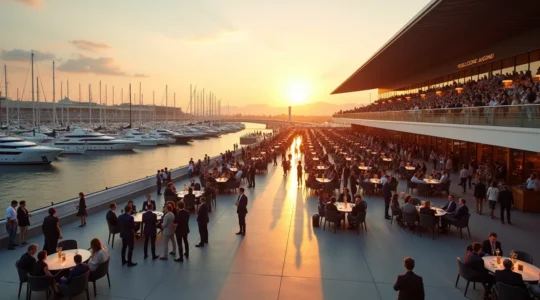
The most valuable networking at the F1 Grand Prix doesn’t happen in the stands; it’s won in the strategic “in-between” moments that most attendees overlook. Your ticket choice dictates your social orbit, but real connections are forged by exploiting logistical…
Read more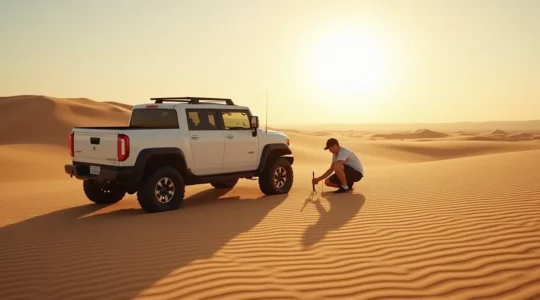
In summary: Successful sand driving is less about power and more about maximizing tire footprint through precise pressure reduction. Your PSI is not just one number; it’s a strategy. Adjust from 18-20 PSI for firm sand down to 10-12 PSI…
Read more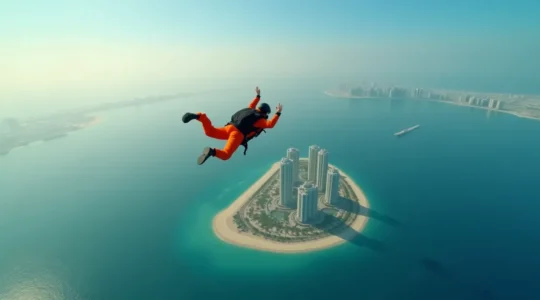
The best skydive location depends entirely on the story you want your video to tell: iconic, architectural splendor or vast, adventurous solitude. The Palm Dropzone offers an instantly recognizable, high-impact video with vibrant blues and world-famous landmarks, maximizing “audience recognition…
Read more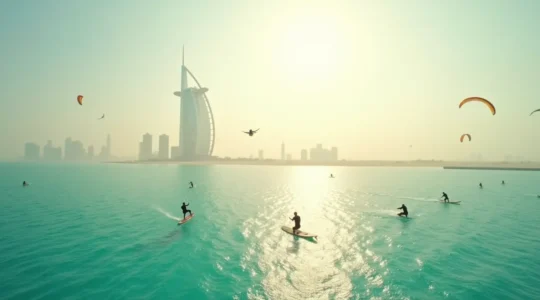
For kiters frustrated by Dubai’s seemingly random conditions, the solution isn’t just knowing which beach to go to, but when. Consistent wind is rarely an all-day affair. The key is mastering a predictive system that decodes the subtle interplay of…
Read more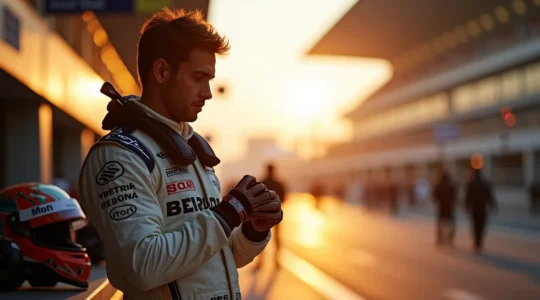
Aspiring to get a racing license for Yas Marina Circuit requires more than just speed; it demands mastering a complex set of regulations and preparations that go far beyond casual track days. Standard vehicle insurance is void on track; specialized…
Read more