
The United Arab Emirates presents a fascinating paradox for travelers and expatriates: a society where centuries-old Bedouin traditions coexist seamlessly with cutting-edge modernity, where falconry sits comfortably alongside fintech, and where the call to prayer echoes through streets lined with architectural marvels. Understanding this unique cultural landscape isn’t merely about avoiding faux pas—it’s about unlocking deeper, more meaningful experiences during your time in the Emirates.
For those spending extended periods in the UAE, whether as digital nomads, business professionals, or cultural explorers, navigating the social fabric requires insight into multiple dimensions: the unwritten codes of elite networking circles, the growing emphasis on sustainable luxury, the protocols of exclusive memberships, and the delicate balance between respecting tradition while embracing contemporary life. This pillar resource introduces these essential themes, providing context for the sophisticated traveler seeking genuine integration into Emirati society.
The UAE, particularly Dubai and Abu Dhabi, has positioned itself as a global crossroads where international business leaders, entrepreneurs, and influencers converge. The networking culture here operates on distinct principles that differ significantly from Western or Asian business environments.
Networking in the Emirates happens across multiple tiers of venues, from private member clubs to industry-specific events and cultural gatherings. Understanding which environment suits your objectives requires recognizing that proximity doesn’t guarantee access—each venue has its own implicit hierarchy. Beach clubs along Jumeirah might attract creative professionals and lifestyle entrepreneurs, while hotel lounges in the Financial District cater to C-suite executives and investors.
The concept of “face time” carries particular weight. Unlike purely transactional networking common elsewhere, relationship-building here demands consistent presence at the right venues during peak social seasons, typically between October and April when the climate draws the global elite.
Social missteps can close doors permanently in circles where reputation is currency. Critical considerations include:
Successful networkers recognize that the Emirates operates on seasonal rhythms. Major events cluster during cooler months, while summer sees an exodus of decision-makers. Leveraging digital platforms strategically—from LinkedIn for professional credibility to Instagram for lifestyle positioning—creates opportunities, but authenticity remains paramount. Manufactured influence is quickly identified and dismissed in these discerning circles.
A significant shift is occurring among affluent residents and travelers in the UAE: the reconciliation of luxury with environmental and social responsibility. This isn’t about abandoning opulence but rather redefining it through the lens of sustainability.
Informed consumers now investigate the journey of luxury goods from raw materials to finished products. The provenance of leather, the sourcing of precious stones, and the labor conditions in manufacturing facilities have become legitimate concerns even among those with significant purchasing power. This scrutiny has created demand for transparent supply chains and ethical certification.
The UAE’s luxury market increasingly celebrates local and regional artisans. Traditional Emirati crafts—from intricate henna design to handwoven textiles—are experiencing renewed appreciation. Purchasing from local ateliers not only ensures uniqueness but also supports cultural preservation and provides economic opportunities beyond oil-dependent industries.
Timing purchases around cultural festivals can yield deeper experiences. Acquiring a piece during heritage celebrations often includes meeting the artisan, understanding techniques passed through generations, and gaining context that transforms a transaction into cultural exchange.
Contrary to outdated perceptions, the Emirates has launched ambitious environmental programs that residents and long-term visitors can engage with meaningfully.
Large-scale initiatives include extensive solar energy installations, with some developments generating substantial portions of their power requirements through renewable sources. The Mohammed bin Rashid Al Maktoum Solar Park represents one of the world’s largest single-site solar projects, signaling serious commitment beyond rhetoric.
Waste management systems have evolved considerably, with recycling programs expanding across residential and commercial zones. Understanding these systems allows residents to participate effectively rather than defaulting to convenience.
The challenge lies in distinguishing genuine environmental commitment from marketing opportunism. Developments advertising sustainability credentials warrant scrutiny: Does the building actually achieve claimed energy efficiency? Are water conservation measures substantive or cosmetic? Are green spaces maintained through resource-intensive irrigation?
Future-proofing considerations matter increasingly as climate regulations tighten globally. Properties and businesses demonstrating authentic environmental practices will likely maintain value better than those relying on superficial claims.
Access to the UAE’s most exclusive social circles often materializes through private club memberships, but the application process is nuanced and the true costs extend well beyond joining fees.
Elite clubs typically require member sponsorship, creating a chicken-and-egg dilemma for newcomers. Building relationships that naturally lead to sponsorship requires time, genuine rapport, and demonstrated alignment with the club’s character. Optimizing your profile means highlighting not wealth alone but contributions to industry, cultural engagement, or philanthropic involvement—qualities that add value to the community.
Annual dues represent just the visible expense. Many clubs carry implicit expectations: minimum spending requirements at club facilities, participation in sponsored events, and contributions to club initiatives. Understanding these unwritten obligations prevents awkward surprises and helps assess whether membership genuinely aligns with your lifestyle and budget.
Timing matters strategically. Some clubs offer reduced joining fees during promotional periods, though timing your application purely for financial benefit might signal priorities that concern membership committees. The decision balances financial pragmatism with social perception.
The high-pressure environment attracting ambitious professionals to the Emirates has necessitated more sophisticated approaches to wellness, particularly mental health—historically a stigmatized topic in this region.
Progressive employers and wellness advocates are gradually normalizing conversations around executive burnout, anxiety, and depression. Corporate wellness programs increasingly incorporate mental health components, though quality varies significantly. Discerning residents evaluate whether programs offer substantive support or merely check compliance boxes.
Understanding insurance coverage for mental health services requires careful policy review, as gaps exist in many standard plans. Certain therapeutic approaches or medications common elsewhere face regulatory restrictions in the UAE, making familiarity with local prescription laws essential before relocating.
Differentiating between conditions that require medication versus those responsive to therapy, lifestyle modification, or coaching helps individuals seek appropriate interventions. Timing professional help early—before minor stress escalates into clinical conditions—represents the most effective approach but requires overcoming cultural reluctance around seeking support.
The Emirates has positioned itself as a prime destination for location-independent professionals, but successfully integrating into this lifestyle requires understanding practicalities beyond attractive Instagram imagery.
Comparing coworking spaces reveals dramatic variations in pricing, amenities, and community culture. Premium options in Dubai Marina or DIFC offer extensive networking but command prices comparable to small apartment rentals. More affordable alternatives exist in emerging neighborhoods, trading prestige for value.
Calculating true cost of living means accounting for the UAE’s particular expense structure: zero income tax attracts many, but housing costs, mandatory health insurance, and the absence of public transportation in many areas create financial realities that don’t always align with assumptions.
Understanding what triggers tax residency—both in the UAE and your country of origin—prevents complicated legal situations. Visa categories designed for remote workers have specific requirements around minimum stays, proof of income, and health coverage that demand careful attention.
Social connection challenges digital nomads particularly. Unlike assigned workplaces that naturally foster relationships, remote workers must intentionally create social structures through clubs, sports, volunteer work, or specialized networking groups catering to expatriate professionals.
Authentic engagement with Emirati culture transforms superficial tourism into meaningful cultural exchange, but requires moving beyond sanitized presentations toward genuine understanding.
The Majlis—traditional Arabic sitting room and the social institution surrounding it—represents the heart of Emirati hospitality and decision-making. Understanding appropriate behavior in these settings means recognizing hierarchies, accepting refreshments graciously, and appreciating that business discussions emerge organically rather than through agenda-driven approaches.
Falconry transcends sport in Emirati culture; it represents a living connection to Bedouin heritage. Opportunities to learn this ancient practice exist through specialized programs, offering insights into patience, partnership with nature, and traditions that UNESCO recognizes as intangible cultural heritage.
The visible evolution in dress codes—particularly among younger Emiratis who reinterpret traditional garments with contemporary flair—illustrates the broader cultural negotiation between heritage preservation and modern expression. Language preservation efforts combat the dominance of English in business and education, recognizing that Arabic carries cultural knowledge beyond mere vocabulary.
Timing cultural immersion around national celebrations like National Day or traditional festivals provides concentrated exposure, though year-round opportunities exist for those genuinely curious. Museums, cultural foundations, and heritage villages offer structured learning, but informal conversations with Emirati colleagues and neighbors often yield the most profound insights.
Understanding UAE society and culture ultimately requires recognizing it as a dynamic, evolving entity rather than a static set of rules. The willingness to learn, adapt, and engage respectfully opens doors to experiences far richer than any luxury amenity could provide.

To truly connect your expat children with UAE culture, you must shift their experience from passive observation to active, respectful participation in its living heritage. Understanding unwritten social codes, like Majlis etiquette, is more impactful than visiting a museum. Engaging…
Read more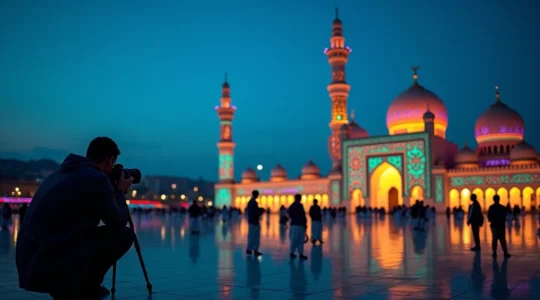
Many photographers obsess over eliminating grain by keeping ISO low. The reality of a dynamic light festival is that this often leads to blurry, unusable images. This guide re-frames the debate: a sharp, well-composed photo with acceptable grain is always…
Read more
In summary: Proving freelance income requires building an “administrative fortress” of documents, not just showing bank statements. Living in Dubai on a budget is feasible by choosing affordable areas and leveraging cost-saving apps. Understanding the 183-day rule is crucial to…
Read more
Finding the right therapist as an expat executive isn’t a search, it’s a strategic navigation of complex systems. Most standard insurance plans have significant gaps in mental health coverage that can block access to appropriate care. The key is to…
Read more
Securing a spot in an exclusive club without a proposer is not about asking for entry, but executing a strategic campaign to be seen as an essential acquisition for the committee. Shift your mindset from applicant to asset: Frame your…
Read more
The “Net Zero 2050” initiative is far more than a high-level climate policy; it’s a concrete blueprint actively reshaping the fabric of daily life in the UAE. This strategy translates abstract national goals into tangible changes you can see and…
Read more
Contrary to popular belief, sustainability certifications are not enough to verify a luxury brand’s ethics; a deeper, investigative audit is required. True sustainability goes beyond materials to encompass the entire value chain, from artisan welfare to product longevity. Greenwashing is…
Read more
Forget everything you know about standard networking; in Dubai, access isn’t won with business cards, it’s earned through strategic social infiltration. High-level connections are forged in closed, high-trust ecosystems, not at open networking events. Cultural fluency, particularly the art of…
Read more