
For travelers who’ve fallen in love with a destination, the leap from visitor to property owner represents both an exciting opportunity and a complex journey. Real estate and architecture intersect with travel in profound ways—whether you’re considering a vacation home on a Mediterranean coast, an investment property in a bustling expat hub, or a sustainable retreat in a tropical paradise. Understanding the unique dynamics of international property investment can transform your relationship with the places you love to visit.
The world of property investment for travelers encompasses far more than simply purchasing a home abroad. From navigating pre-construction opportunities and understanding foreign ownership regulations to evaluating coastal property dynamics and identifying truly sustainable buildings, each decision requires careful consideration. This article explores the fundamental aspects of real estate and architecture that matter most to international property investors, providing you with the knowledge to make informed decisions whether you’re seeking a personal haven, a rental income stream, or a long-term investment.
Buying property before it’s built—known as pre-construction or off-plan purchasing—offers a distinctive investment pathway that many international buyers find compelling. This approach allows you to secure property at current prices while the market continues to evolve, often with flexible payment structures that spread the financial commitment over the construction period.
Pre-construction investments function much like ordering a custom suit before the fabric is cut: you’re committing to a vision rather than a tangible product. The primary advantage lies in potential capital appreciation during the construction phase. Properties in developing areas can increase in value significantly between contract signing and completion, sometimes yielding returns of fifteen to thirty percent before you even receive the keys.
However, this opportunity carries inherent uncertainties. Construction delays can postpone your occupancy or rental income by months or even years. Developer financial difficulties, while less common with established firms, remain a risk. The final product may not perfectly match the glossy renderings, particularly in finishes and surrounding infrastructure. Smart investors mitigate these risks by thoroughly researching developer track records, examining previous projects, and ensuring robust contractual protections.
One of the most attractive features of pre-construction purchases is the payment plan flexibility. Rather than requiring the full amount upfront, developers typically offer staged payments tied to construction milestones. A common structure might involve a small initial deposit of five to ten percent, followed by payments at foundation completion, structural completion, and final handover.
This payment approach serves dual purposes: it reduces immediate capital requirements and allows you to verify construction progress before committing additional funds. For international investors, this can mean more efficient capital allocation across multiple investments rather than tying everything up in a single property from day one.
Completed properties command what’s known as a readiness premium—typically ten to twenty percent more than equivalent off-plan units. You’re paying for certainty and immediacy. You can inspect the actual property, assess the neighborhood’s development, and potentially generate rental income immediately. For some investors, particularly those seeking short-term rental opportunities or personal use in the near future, this premium represents excellent value despite the higher entry cost.
Coastal properties occupy a special place in the travel-property investment intersection. The allure of oceanfront or beachside living draws both personal enjoyment and strong rental demand, but these properties come with distinctive considerations that inland investments don’t share.
Waterfront properties often outperform comparable inland properties in rental yield potential, particularly in established vacation destinations. A beachfront apartment might command nightly rates fifty to one hundred percent higher than a similar property just two blocks inland. The view, immediate beach access, and lifestyle appeal create premium positioning in both sales and rental markets.
Yet coastal investments demand more than financial calculation. Maintenance requirements intensify near saltwater—think corrosion, humidity damage, and more frequent exterior maintenance. Insurance costs typically run higher due to weather exposure. Privacy can become complicated in popular beach areas where public access laws may limit your exclusive enjoyment of the shoreline.
The distinction between natural and engineered coastlines significantly impacts both property value and long-term viability. Natural coastlines offer authenticity and established ecosystems but may face erosion challenges that require ongoing beach nourishment or protection measures. Man-made developments—like Dubai’s Palm Islands or various marina communities—provide controlled environments with planned amenities but depend entirely on engineering maintenance and may face different long-term sustainability questions.
When evaluating coastal properties, investigate the shoreline’s stability history, any coastal protection measures in place, and local regulations governing beach access and development. Properties on eroding coastlines may face eventual uninhabitability, while well-engineered artificial coastlines can offer decades of stable enjoyment.
Coastal properties naturally lend themselves to vacation rental strategies. The seasonal demand patterns create opportunities for optimized pricing strategies—charging premium rates during peak seasons while offering attractive off-season discounts to maintain occupancy. A well-managed beachfront property in a popular destination can achieve annual yields of six to ten percent or more, substantially exceeding typical long-term rental returns.
Success in short-term rentals requires understanding local regulations, which vary dramatically. Some coastal communities embrace vacation rentals as economic drivers, while others impose strict limitations to preserve residential character. Research the regulatory environment thoroughly before assuming rental income potential.
For travelers investing in property abroad, understanding ownership structures and legal frameworks represents perhaps the most critical knowledge area. The rules governing foreign property ownership vary enormously across jurisdictions, from completely open markets to highly restricted or prohibited foreign ownership.
Different countries offer various ownership models for foreign investors. Freehold ownership grants you the same perpetual property rights as local citizens—you own the land and structure indefinitely. Leasehold arrangements provide long-term usage rights, typically for periods ranging from thirty to ninety-nine years, after which ownership reverts to the freeholder unless renewed. Some jurisdictions offer usufruct rights, allowing you to use and profit from property without owning the underlying land.
Understanding these distinctions proves essential for both investment planning and exit strategies. A ninety-nine-year leasehold in a stable jurisdiction may function practically like freehold for most investors, but the diminishing lease term will increasingly impact resale value as decades pass. Some buyers negotiate lease renewals into their purchase contracts to address this concern proactively.
Many countries that restrict general foreign ownership create special economic zones or designated areas where international buyers enjoy more liberal ownership rights. These areas often coincide with tourist destinations, coastal developments, or planned communities specifically designed to attract foreign investment and residents.
For example, in countries with general foreign ownership restrictions, you might find that beachfront resort areas, specific island developments, or designated metropolitan districts welcome foreign buyers with full freehold rights. Researching these eligible zones helps you identify where your investment options are most flexible and secure.
Beyond direct personal ownership, international property investors often employ corporate structures to hold assets. Purchasing through a local corporation can provide benefits including tax optimization, liability protection, and simplified estate planning. Some jurisdictions offer favorable conditions for corporate property ownership that aren’t available to individual foreign buyers.
However, corporate ownership introduces additional complexity: annual compliance requirements, potential double taxation issues, and varying levels of transparency. Working with local legal and tax professionals who specialize in foreign investment ensures your ownership structure aligns with both current regulations and your long-term investment objectives.
The intersection of real estate, architecture, and environmental responsibility has evolved from niche concern to mainstream investment consideration. For property investors, understanding sustainable building standards offers both ethical satisfaction and practical financial benefits through reduced operating costs and enhanced property values.
Multiple green building certification systems operate globally, each with distinct criteria and recognition levels. LEED (Leadership in Energy and Environmental Design) enjoys widespread international recognition, while BREEAM dominates in European markets, and regional systems like Green Star operate in specific countries. These frameworks evaluate buildings across categories including energy efficiency, water conservation, material sustainability, and indoor environmental quality.
For investors, certified properties often command premium sale prices and rental rates—studies suggest premiums ranging from five to fifteen percent depending on certification level and market maturity. Beyond pricing advantages, certified buildings typically deliver lower utility costs, appealing to cost-conscious tenants and contributing to stronger occupancy rates.
Modern sustainable architecture extends beyond energy efficiency to prioritize occupant health. Indoor air quality considerations include ventilation rates, material off-gassing, humidity control, and filtration systems. Properties that achieve superior indoor environmental quality attract health-conscious tenants and buyers, particularly in markets where air pollution concerns drive demand for healthy interior spaces.
When evaluating sustainable properties, look beyond energy ratings to understand ventilation systems, material specifications, and any health-focused certifications like WELL Building Standard. These features may not appear in glossy marketing materials but significantly impact both occupant satisfaction and long-term property value.
The popularity of sustainable real estate has unfortunately spawned greenwashing—marketing properties as environmentally friendly without substantive sustainable features. Developers might emphasize minor elements like energy-efficient light bulbs while ignoring fundamental issues like building orientation, insulation quality, or water management systems.
Protect yourself from greenwashing by demanding specific certifications rather than accepting vague sustainability claims. Ask for energy performance certificates, water efficiency ratings, and documentation of sustainable materials used. Genuine sustainable buildings will have quantifiable metrics and third-party verification, not just green-colored brochures featuring nature imagery.
The financial case for sustainable real estate ultimately rests on operational cost savings. Well-designed sustainable buildings can reduce energy consumption by thirty to fifty percent compared to conventional construction, translating to substantial savings over years of ownership. Water-efficient fixtures and systems similarly reduce utility costs, while durable, low-maintenance materials minimize repair and replacement expenses.
When comparing properties, request historical utility bills or projections based on building performance modeling. The upfront premium for sustainable features often pays back within five to ten years through operational savings, after which you enjoy pure cost reduction that enhances investment returns or personal affordability.
Real estate and architecture in the context of international travel and property investment encompasses these diverse considerations—from the timing strategies of pre-construction purchases to the environmental performance of sustainable buildings. Each decision point offers opportunities for informed investors to align their property choices with both financial objectives and personal values. As you explore specific properties and markets, the foundational knowledge of these key areas will guide you toward investments that serve your unique needs, whether that means a personal vacation retreat, a rental income stream, or a long-term wealth-building strategy.

LEED Platinum certification is not an expense but a strategic investment that directly translates to higher net operating income (NOI) and increased asset valuation. Certified buildings attract and retain premium corporate tenants who require sustainable workspaces to meet their own…
Read more
Contrary to common belief, selling your qualifying property does not automatically terminate your UAE residency visa; instead, it triggers a requirement to maintain the minimum investment threshold. Your visa is linked to your continuous eligibility as a property investor, not…
Read more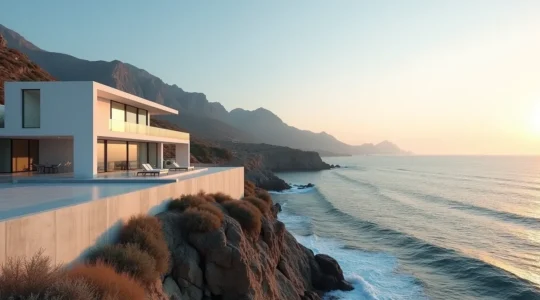
The 40% premium for a waterfront property is not a cost for a view; it’s a strategic investment in a superior asset class with quantifiable returns. Waterfront living delivers unparalleled privacy—a natural “moat” that inland properties cannot replicate. Direct water…
Read more
Protecting your off-plan down payment has less to do with the developer’s reputation and more with the non-negotiable legal structures you enforce in the contract. Escrow account terms are more critical than its mere existence; fund release must be tied…
Read more