
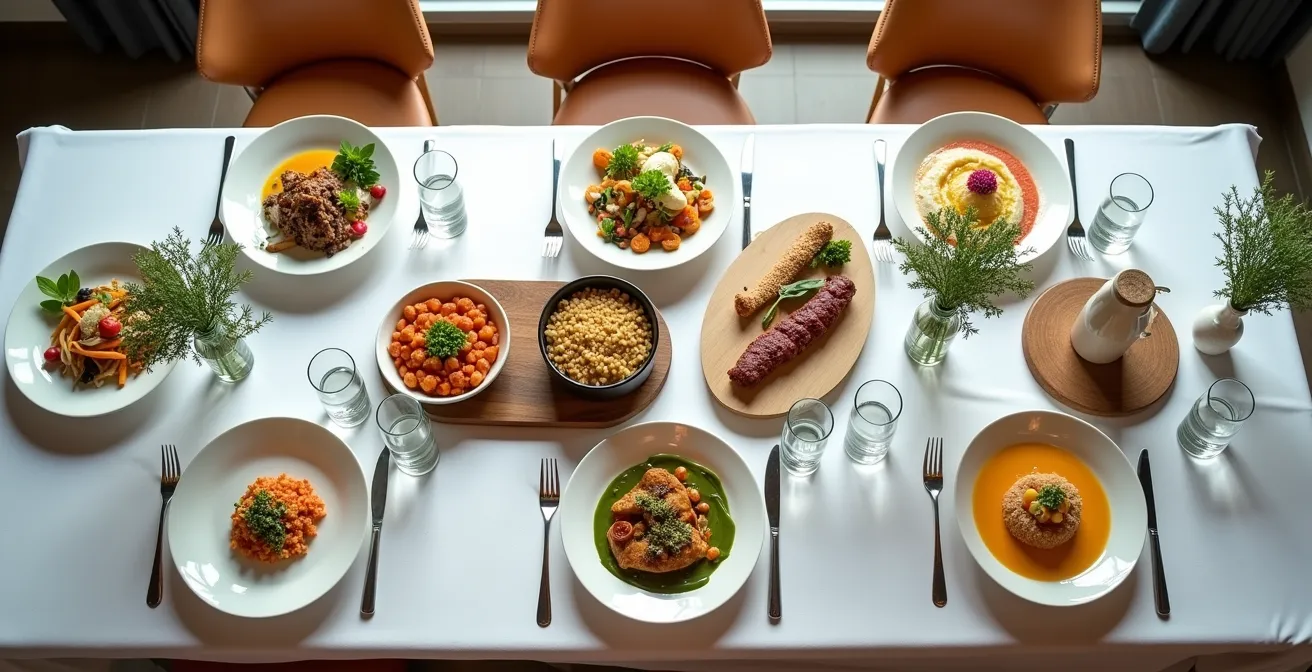
True hospitality isn’t about making separate “special” meals; it’s about designing a single, elegant menu where everyone feels celebrated.
- Adopt a “deconstructed” approach with build-your-own stations (taco bars, grain bowls) to cater to multiple needs effortlessly.
- Master graceful communication and elegant labeling to turn potential stress into a sophisticated part of the guest experience.
Recommendation: Shift your mindset from “managing restrictions” to “curating a unified culinary experience” for your next event.
The joy of hosting lies in bringing people together, creating a space of warmth and connection. Yet, in a modern, diverse city, the simple invitation to dinner can spark a wave of anxiety. Your guest list is a vibrant mix: a friend who is vegan, a colleague who observes Halal, and a cousin who is strictly gluten-free. The immediate instinct for many is to panic, picturing a kitchen nightmare of separate pots and pans, or worse, serving a bland, uninspired meal that pleases no one. This is an increasingly common scenario; in fact, some reports show that as many as 60% of people have some form of dietary restriction.
The common advice is to “ask in advance” and “label everything.” While correct, this only scratches the surface. It frames a beautiful opportunity for connection as a logistical problem to be managed. But what if the secret to a truly memorable dinner party wasn’t just accommodation, but elegant curation? What if you could design a menu that feels abundant and celebratory for everyone, without making anyone feel like a difficult guest? The key is to move beyond cooking separate meals and embrace a philosophy of invisible inclusivity, where the thoughtful choices are built into the menu itself.
This guide reframes the challenge through the lens of a professional planner. We will explore how to approach menu creation not as a series of restrictions, but as an act of creative design. We will look at sourcing your components, maintaining guest comfort, understanding hidden ingredients, and presenting your food with grace—transforming potential stress into an expression of true hospitality.
To help you navigate this rewarding process, this article breaks down the art of inclusive hosting into clear, manageable stages. From the initial planning to the final presentation, you’ll find practical strategies to create a welcoming and delicious experience for every guest at your table.
Summary: The Modern Host’s Playbook for Dietary Needs
- Gallery vs Artist Direct: Where to Buy Affordable UAE Art?
- How to Keep Fresh Flowers Alive in UAE Air Conditioning?
- Specialty Coffee: How to Identify a Good Roastery in Dubai?
- Where to Source Hand-Made Ceramics for Your Table Setting?
- When to Send Invites for Ramadan Iftars to Ensure Attendance?
- How to Transform Your Villa into a Private Art Gallery Without Overspending?
- How to Move Your Art Collection Across Borders Without Damage or Taxes?
- Why Are UAE Elites Switching From Supercars to Custom Wellness Vans?
Gallery vs Artist Direct: Where to Buy Affordable UAE Art?
When planning your menu, you face a choice similar to an art collector: do you go to a “gallery” (professional catering) or buy “direct from the artist” (homemade)? Both have merits. Catering offers expertise and convenience, handling complex needs with professional precision. However, a homemade meal, like a piece of art from the artist’s studio, offers a personal touch and deep connection that is hard to replicate. For many hosts, the challenge of creating this personal experience with a complex guest list can feel daunting. One home cook described hosting a gathering for nine people with ten different restrictions—including no gluten, no meat, and no dairy—as a source of vast understatement and worry.
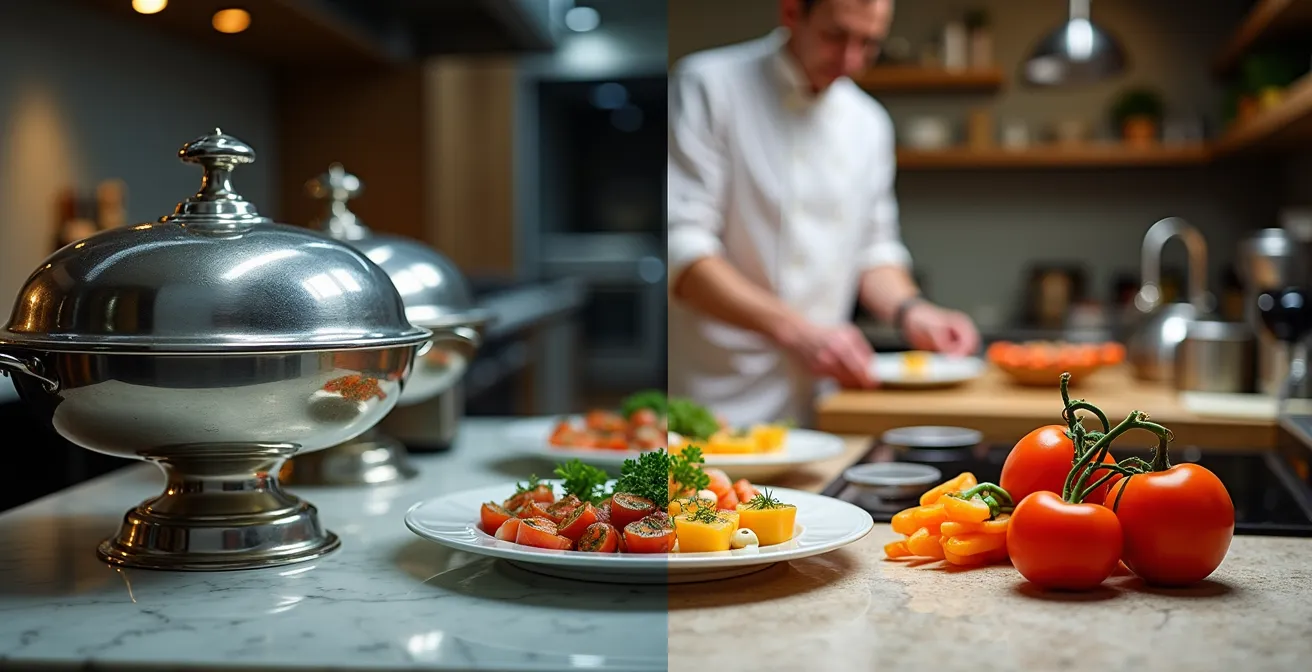
This image perfectly captures the two paths. On one side, the polished, effortless look of professional catering. On the other, the hands-on, creative artistry of home cooking. The secret is realizing you don’t have to be a professional chef to achieve an inclusive result. The “artist direct” approach is not about creating a dozen different masterpieces. It’s about a unified menu design—a single, beautiful vision where components can be enjoyed by everyone. By choosing naturally inclusive ingredients and preparation methods, your homemade meal can feel just as curated and thoughtful as a catered affair, but with the irreplaceable warmth of your own home.
How to Keep Fresh Flowers Alive in UAE Air Conditioning?
Just as you’d worry about fresh flowers wilting in a harsh environment, a gracious host’s primary concern is ensuring their guests remain comfortable and happy throughout the evening. A guest with a dietary restriction can easily feel awkward or like a burden. Your role is to create an atmosphere where their needs are met so seamlessly that it becomes a non-issue. As Ottawa-based etiquette consultant Julie Blais Comeau advises, “You don’t need to make your food needs a source of drama.” The goal is to cultivate an environment of ease and enjoyment, not clinical safety.
This proactive comfort starts long before the guests arrive. First, plan ahead by doing your own research on your guests’ stated needs. Understanding the basics of what “celiac” or “halal” entails shows respect. Second, consider involving your guest in the planning. A simple text like, “I’m planning a chicken dish with roasted vegetables and rice, does that work for you?” makes them a partner, not a problem. Third, understand the rules of safe food preparation, which we’ll cover later, to prevent cross-contamination. Finally, don’t be afraid to supplement with high-quality pre-made items. Purchasing a certified gluten-free dessert or a vegan appetizer from a trusted specialty store can lift a huge weight off your shoulders and guarantee a safe option.
Specialty Coffee: How to Identify a Good Roastery in Dubai?
Just like a coffee connoisseur learns to identify the subtle notes of a single-origin bean, a skilled host must learn to spot hidden ingredients in common dishes. Many seemingly simple foods contain unexpected allergens. This is where your role shifts from cook to detective, ensuring the “purity” of your ingredients. A gluten-free diet, for instance, is a very common dietary need, yet gluten can hide in everything from soy sauce to salad dressings.
Becoming adept at reading labels and understanding food composition is crucial. You might be surprised where allergens lurk. The table below highlights some common culprits and provides safe, delicious alternatives that don’t compromise on flavor. This knowledge allows you to build a pantry of inclusive staples.
| Common Dish | Hidden Allergen | Safe Alternative |
|---|---|---|
| Caesar Dressing | Anchovies, Egg | Vegan Caesar with Cashews |
| Soy Sauce | Wheat/Gluten | Tamari or Coconut Aminos |
| Worcestershire | Fish (Anchovies) | Vegetarian Worcestershire |
| Some Breads | Milk, Eggs | Sourdough or Ciabatta |
| Dark Chocolate | Dairy (milk fat) | 70%+ Cacao varieties |
By thinking like a “roastery” expert—focusing on quality, transparency, and ingredient origin—you can confidently serve dishes that are not only safe but also delicious. This attention to detail elevates your hosting from simply feeding people to providing a truly considered culinary experience.
Where to Source Hand-Made Ceramics for Your Table Setting?
The way you present your food is as important as the food itself. Just as hand-made ceramics can elevate a table setting, elegant labeling solutions can turn a practical necessity into a beautiful part of the decor. The goal is “invisible inclusivity,” where safety information is communicated with grace and style, rather than with clinical-looking sticky notes. This is where your table becomes a canvas for both beauty and clarity.
There are several ways to achieve this. You can create a beautifully printed menu card for the table that subtly indicates ingredients—a small (v) for vegan or (gf) for gluten-free. For a buffet-style meal, use elegant ceramic markers or small, calligraphed slate tags to label each dish. This not only informs guests but adds a sophisticated, artisanal touch. The most critical step is to create a designated allergen-free serving area. Arrange these dishes separately and ensure each has its own serving utensil to prevent cross-contamination. As one professional event planner notes, for large events, they provide the waitstaff with table arrangements highlighting guests with restrictions to ensure seamless service.
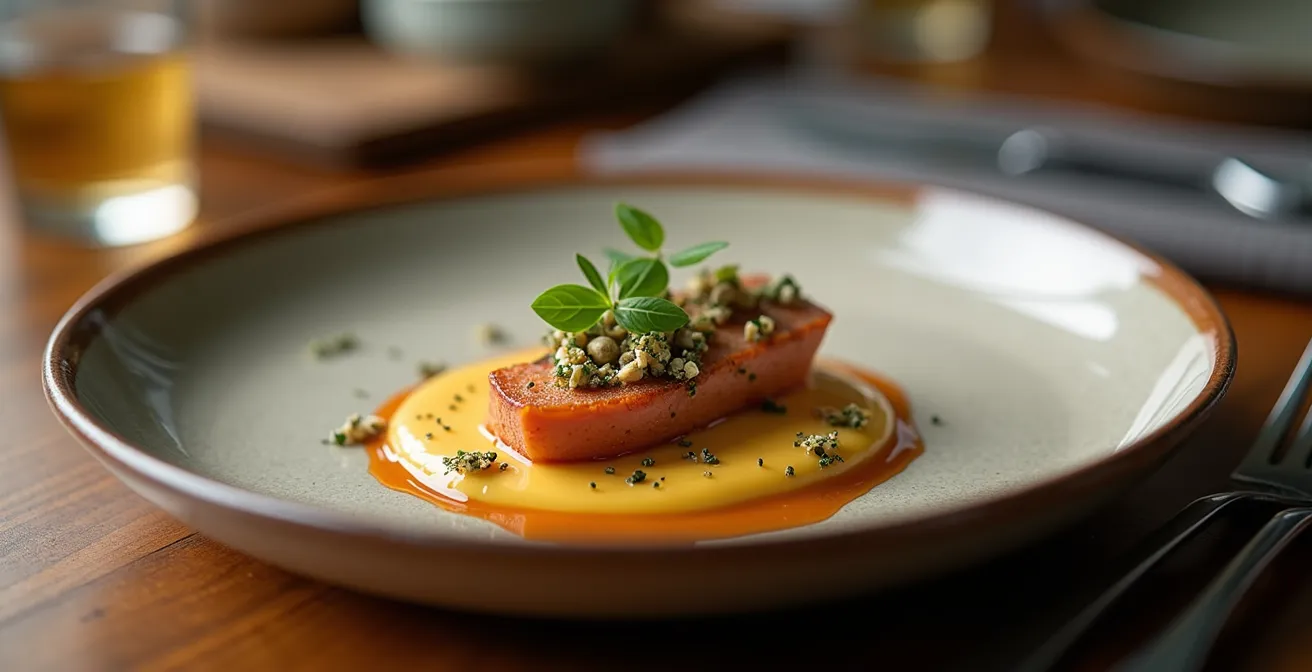
This focus on presentation demonstrates a high level of care. It tells your guests that their well-being is not an afterthought but an integrated part of the beautiful experience you have curated for them. It’s a small detail that makes a world of difference.
When to Send Invites for Ramadan Iftars to Ensure Attendance?
The timing and wording of your invitation are your first and most powerful tools for inclusive hosting. This is your moment for what I call “culinary diplomacy.” It’s not just about when you send the invite, but *how* you use it to gather crucial information with grace and warmth. Your goal is to make guests feel comfortable sharing their needs. A simple, thoughtful note on your RSVP can make all the difference.
As etiquette columnist Miss Conduct advises in Tasting Table, you should ” add a note asking RSVP-ers to include any dietary restrictions with their responses.” She notes that while it may seem overly cautious, this small gesture is incredibly meaningful to a guest with restrictions. The key is the framing. Instead of a sterile “Any allergies?”, try a warmer, more open-ended phrase like, “Please let us know if you have any dietary requirements or preferences so we can make sure you have a delicious meal!”
To take it a step further, frame the question positively. Instead of focusing on what they *can’t* eat, ask what they *love* to eat. This shifts the conversation from restriction to enjoyment. Another diplomatic option, especially if you’re feeling overwhelmed, is to invite guests to contribute a dish. Phrasing it as “Would you mind bringing a side dish or dessert to share?” allows them to bring something they know is safe, reducing your pressure while ensuring their comfort.
How to Transform Your Villa into a Private Art Gallery Without Overspending?
The most effective strategy for hosting with multiple dietary needs is to think like a gallery curator, not a short-order cook. Instead of creating different meals for different people, you design a “gallery” of food—a cohesive, beautiful spread where guests can assemble their own perfect plate. This is the concept of a deconstructed menu, and it’s the secret to hosting inclusively without overwhelming yourself.
As food writer Alison Roman suggests, you can free yourself from the traditional “main course” dilemma. Her strategy involves a table filled with herby vegetables, legumes, grilled bread, cheese, and yogurt—all served on the side, rather than pre-mixed. This bounty feels abundant and luxurious, not restrictive. This approach works beautifully for various meal types. The key is to separate the components, allowing for natural customization.
Think of it as creating interactive food stations. This method is not only practical but also fun and engaging for guests. Here are a few ideas for “build-your-own” concepts that can be easily adapted for vegan, gluten-free, and other needs:
| Station Type | Base Options | Proteins | Toppings |
|---|---|---|---|
| Grain Bowl Bar | Rice, Quinoa, Farro | Chicken, Tofu, Tempeh | Roasted vegetables, seeds, sauces |
| Taco Station | Corn/Flour tortillas, Lettuce cups | Carne asada, Fish, Beans | Salsa, Guacamole, Cheese (side) |
| Baked Potato Bar | Regular/Sweet potatoes | Bacon, Chickpeas | Sour cream, Vegan butter, Chives |
How to Move Your Art Collection Across Borders Without Damage or Taxes?
In the world of hosting, the equivalent of “damage” during transit is cross-contamination in the kitchen. For a guest with a severe allergy, this is the most critical concern. As a host, you must act like a meticulous art handler, ensuring that “safe” foods do not cross the “border” and come into contact with allergens. According to food allergy experts at Michigan Medicine, “all it takes is a trace amount of an allergen to trigger an allergic reaction for many people.” This requires creating clear protocols in your kitchen.
Your kitchen must have designated safe zones. This means using separate cutting boards, utensils, and even pots for preparing allergen-free dishes. For example, never use the same knife to cut gluten-free bread after regular bread without thoroughly washing it. If you are frying foods, using separate oils is non-negotiable. This level of care is not about paranoia; it’s about respect for your guest’s health and well-being. Think of it as customs control for your ingredients.
Checklist for a Cross-Contamination-Free Kitchen
- Points of contact: Identify and separate your kitchen into “allergen zones” (where you handle gluten, dairy, etc.) and “safe zones” for allergen-free prep.
- Collecte: Inventory your tools. Designate and use entirely separate cutting boards, knives, and utensils for preparing allergen-free food.
- Cohérence: Review your cooking process. Confront cross-contact points like shared toasters, condiment jars, or frying oil, and create dedicated, safe alternatives.
- Mémorabilité/émotion: Think about the serving stage. Provide a separate serving spoon for every single dish on the buffet to prevent guests from mixing them.
- Plan d’intégration: Once an allergen-free dish is prepared, cover it and store it in a separate, protected area away from other food to prevent any last-minute contamination.
Key takeaways
- Unified Menu over Separate Meals: Focus on deconstructed dishes like grain bowl or taco bars where guests can customize their plates.
- Communication is Key: Proactively and politely ask about restrictions on the invitation using positive framing.
- Presentation Matters: Use elegant labeling and separate serving areas to ensure safety and maintain a sophisticated atmosphere.
Why Are UAE Elites Switching From Supercars to Custom Wellness Vans?
There’s a cultural shift happening in what we consider luxurious. It’s moving away from flashy displays—the “supercars” of hosting—towards experiences centered on wellness, connection, and genuine care. This is the “custom wellness van” mindset. An impressive, complex dish that half your guests can’t eat is a supercar: nice to look at, but not very useful. An inclusive, delicious, and thoughtfully prepared meal that everyone can enjoy is a wellness van: designed for comfort, connection, and shared experience.
This trend is reflected in broader dining habits, with reports showing significant growth in the plant-based space, driven by concerns for both health and the environment. People are increasingly valuing food that not only tastes good but also makes them feel good. As a host, embracing this shift means focusing less on impressing and more on nurturing. It’s about recognizing that the ultimate luxury is making someone feel truly seen, cared for, and welcome at your table. The heart of hospitality is generosity, not performance.
If you really want to make a friend, go to someone’s house and eat with them… The people who give you their food give you their heart.
– Cesar Chavez
This powerful sentiment reminds us of the true purpose of sharing a meal. It’s an act of opening your home and heart.
By embracing this wellness-focused, inclusive mindset, you can transform what seems like a challenge into the most rewarding aspect of your gathering. Start today by planning your next dinner party not around limitations, but around the joy of creating a shared, heartfelt experience for everyone.
Frequently Asked Questions About Hosting with Dietary Needs
What are some of your favorite dishes to eat?
This positive framing helps you understand what guests enjoy rather than just what they avoid. It shifts the focus from restriction to pleasure and gives you creative ideas for your menu planning.
Would you mind bringing an appetizer, a side dish, or dessert?
Allowing guests to contribute ensures they have a guaranteed safe dish they can enjoy, while also reducing the host’s pressure. It turns the situation into a collaborative and communal effort.