
Travel has evolved far beyond sightseeing and landmarks. For the modern explorer, the true essence of a destination reveals itself through its culinary traditions, wellness practices, and the subtle art of living well. Gastronomy & Art de Vivre represents this holistic approach to travel—one that engages all the senses and transforms each journey into an immersive cultural experience. Whether you’re savoring a carefully plated dish at a Michelin-starred establishment, experiencing traditional healing rituals in a world-class spa, or simply learning to recreate that refined lifestyle at home, this dimension of travel offers depth that standard itineraries cannot match.
This comprehensive resource introduces you to the interconnected worlds of fine dining, wellness tourism, luxury hospitality, and lifestyle cultivation. From understanding the unspoken etiquette of elite restaurants to navigating vibrant food festivals, from selecting spa treatments that honor local traditions to mastering the art of personalized service, we’ll demystify the components that elevate travel from ordinary to extraordinary. Think of this as your foundation—a panoramic view of the landscape before you choose which paths to explore more deeply.
The French concept of “art de vivre”—literally “the art of living”—extends far beyond simple luxury or indulgence. It represents a mindful approach to daily experiences, where quality consistently triumphs over quantity. In travel contexts, this philosophy manifests through intentional choices: selecting a restaurant not just for its reputation but for its connection to local producers, choosing a spa treatment that incorporates indigenous healing wisdom, or engaging with hospitality staff as cultural ambassadors rather than service providers.
Understanding this philosophy helps travelers make more meaningful decisions. Rather than collecting experiences like stamps in a passport, you learn to appreciate the stories behind each element. A sommelier becomes more than a wine expert—they’re a storyteller connecting you to terroir, climate, and generations of winemaking tradition. A traditional hammam ritual isn’t simply a spa treatment; it’s a centuries-old social and purification practice that reveals cultural values around community and wellness.
This mindset shift transforms how you approach every aspect of gastronomy and lifestyle during your travels. It encourages you to slow down, ask questions, and recognize that the person arranging flowers in your hotel lobby or the chef explaining their ingredient sourcing are all contributing to a richer understanding of place. The art de vivre philosophy teaches us that refinement isn’t about exclusivity—it’s about appreciation, knowledge, and the cultivation of discernment.
The intersection of wellness and travel has matured significantly, moving beyond standardized spa menus to embrace culturally authentic healing practices. Today’s discerning travelers seek experiences that honor indigenous wellness traditions while maintaining contemporary comfort and hygiene standards.
Many destinations now offer integrated wellness experiences that blend ancestral knowledge with modern therapeutic approaches. In Arabian contexts, for example, treatments might combine traditional sand therapy or camel milk-based skincare with contemporary physiotherapy techniques. The key is finding establishments that respect the cultural integrity of these practices rather than reducing them to exotic marketing gimmicks. Look for spas where local practitioners explain the historical and cultural significance of treatments, where ingredients are sourced from the regions that originated these practices, and where the rituals are presented with educational context rather than mystification.
Spa culture varies dramatically across regions, and what’s considered normal in one context might be inappropriate in another. Understanding these nuances prevents uncomfortable situations and demonstrates respect. In some cultures, communal bathing is the norm and same-gender nudity is expected; in others, modest coverage is maintained throughout. Tipping practices differ—some establishments include gratuities automatically, while others consider cash tips insulting to professional therapists. Before booking, research the specific cultural expectations of your destination, and don’t hesitate to ask reception staff about appropriate conduct. This preparation ensures you can relax fully into the experience rather than worrying about committing an inadvertent faux pas.
Treatment selection should align with both your personal needs and your travel rhythm. Arriving exhausted from a long flight? Opt for gentle, grounding treatments like aromatherapy massage or restorative hydrotherapy rather than intense deep-tissue work. Frequency matters too—weekly treatments offer cumulative benefits that single sessions cannot match, making wellness-focused extended stays increasingly popular. Consider the optimal timing for specific treatments: morning sessions invigorate before sightseeing, while evening appointments promote better sleep and recovery after active days.
Fine dining represents gastronomy at its most refined—a theater of flavors, techniques, and service orchestrated to create memorable experiences. Yet the unwritten rules can intimidate newcomers, creating barriers to enjoyment. Understanding the fundamentals demystifies the experience.
Securing reservations at sought-after establishments requires strategy and timing. Top restaurants often release booking slots exactly 30, 60, or 90 days in advance—knowing this schedule gives you a fighting chance. For truly exclusive venues, consider booking through hotel concierge services, which may have dedicated allocations. Understanding cancellation policies is equally crucial; many high-end establishments charge full menu prices for no-shows or late cancellations, with some requiring credit card guarantees. If your plans change, canceling with maximum notice not only avoids fees but also allows another diner to claim your spot—a courtesy that builds goodwill within the dining community.
Dress codes serve a purpose beyond elitism—they contribute to the overall atmosphere that complements the culinary experience. “Smart casual” typically means tailored trousers or dresses with closed-toe shoes, while “formal” demands suits or evening wear. When uncertain, err on the side of formality; being slightly overdressed is rarely problematic, while appearing underdressed can be uncomfortable. During the meal itself, engaging with sommeliers enhances your experience significantly. These professionals aren’t there to judge your knowledge but to guide your selections. Share your preferences honestly—whether you favor bold or delicate flavors, higher or lower price points—and let their expertise create pairings that surprise and delight. Remember: asking questions demonstrates engagement, not ignorance.
While fine dining showcases gastronomy’s pinnacle, some of the most memorable food experiences happen in less formal settings. Food festivals, street food markets, and culinary events offer accessibility, variety, and direct interaction with food producers and chefs in ways that traditional restaurants cannot match.
Navigating culinary event calendars requires advance planning. Major food festivals occur seasonally, often tied to harvest periods or cultural celebrations. Budget optimization starts with understanding ticket structures—day passes versus individual tastings, VIP experiences versus general admission. For outdoor dining events, timing is everything: arriving early secures better seating and shorter lines, while understanding local weather patterns helps you dress appropriately and choose the right time slot. Many events now accommodate dietary requirements more thoughtfully, but advance notification to organizers ensures better options than last-minute requests.
Food truck parks and casual culinary venues present different opportunities. These settings often enable direct conversation with chefs—ask about ingredient sourcing, preparation techniques, or their culinary journey. Such interactions provide insights impossible in formal restaurant settings where chef-diner contact is choreographed and brief. Additionally, understanding alcohol licensing variations helps set appropriate expectations; some venues allow BYOB, others operate under restricted hours, and some maintain full bar service. This knowledge prevents disappointment and helps you plan accordingly.
High-end hospitality offers unprecedented levels of personalized service, but effectively utilizing these services requires understanding scope, communication, and cultural expectations around gratuities and privacy.
The first step is defining what level of service you actually need. Luxury hotels offer everything from simple concierge assistance to dedicated personal butlers who manage every detail of your stay. Clearly communicating your preferences early—dietary restrictions, room temperature preferences, pillow types, preferred wake-up methods—allows staff to anticipate needs rather than simply react to requests. The most effective guests provide specific information: instead of asking for “a good restaurant,” specify cuisine preferences, desired atmosphere, budget range, and any dietary considerations.
Tipping etiquette varies globally and even within regions. In some cultures, tipping is expected and forms a significant portion of service staff income; in others, it can be perceived as insulting or is genuinely unnecessary due to comprehensive compensation structures. Research destination-specific norms, and when uncertain, observe local practices or discreetly ask hotel management about customary gratuities. Privacy concerns also differ by cultural context. Clearly articulating your boundaries—whether you prefer minimal room service intrusions, specific housekeeping times, or complete discretion regarding your presence—ensures staff can provide excellent service while respecting your personal space. The key is timing your requests appropriately; last-minute demands, especially during peak service periods, create unnecessary stress for staff and often yield inferior results.
Perhaps the most enduring aspect of gastronomy and art de vivre in travel is how these experiences reshape your daily life at home. The lessons learned abroad—from coffee culture to table setting, from flower arranging to the timing of social invitations—can elevate everyday moments into intentional pleasures.
Cultivating a refined lifestyle at home doesn’t require enormous budgets; it demands attention and intentionality. Understanding coffee culture, for instance, transforms morning routines. Learning that water temperature, grind size, and brewing time dramatically impact flavor helps you recreate that remarkable café experience in your own kitchen. Similarly, sourcing local art during travels—not mass-produced souvenirs but pieces from regional artists—creates living reminders of your journeys while supporting creative communities.
The art of table setting and flower arranging offers another dimension. These practices, refined over centuries in various cultures, follow principles of balance, seasonality, and proportion that anyone can learn. Setting a table thoughtfully—considering the interplay of textures, colors, and the placement of each element—demonstrates care for your guests and enhances their dining experience. Timing invitations appropriately, whether for intimate dinners or larger gatherings, shows respect for guests’ schedules and creates anticipation rather than obligation. These seemingly small refinements accumulate, gradually transforming your home environment into a space that reflects the mindful appreciation you’ve cultivated through travel.
Gastronomy and art de vivre in travel represent far more than indulgence—they’re educational journeys that develop discernment, cultural appreciation, and the capacity to extract deeper meaning from daily experiences. Whether you’re navigating the elite dining scene, discovering hidden culinary gems, experiencing traditional wellness practices, or bringing refined touches to your home life, each element contributes to a richer understanding of how people across cultures approach quality, beauty, and the art of living well. The topics introduced here—from spa etiquette to sommelier interactions, from festival budgets to personal service optimization—each merit deeper exploration based on your specific interests and travel destinations. Let this foundation guide your curiosity as you craft travel experiences that nourish not just your body, but your appreciation for the remarkable diversity of human culture and creativity.
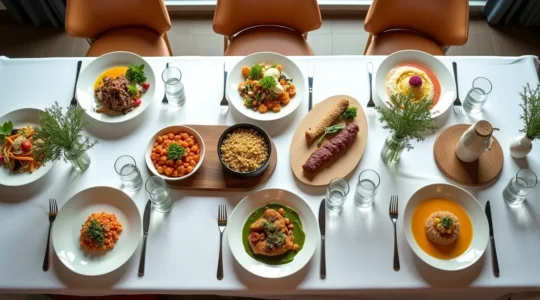
True hospitality isn’t about making separate “special” meals; it’s about designing a single, elegant menu where everyone feels celebrated. Adopt a “deconstructed” approach with build-your-own stations (taco bars, grain bowls) to cater to multiple needs effortlessly. Master graceful communication and…
Read more
Contrary to popular belief, the best Restaurant Week deals aren’t about the biggest discount. They’re about spotting the ‘showcase’ dishes designed to win you over, not the ‘filler’ plates designed for mass-production efficiency. This guide transforms you into a menu…
Read more
The best value in elite dining lies not in the menu’s price, but in aligning your choice—tasting menu or à la carte—with your desired culinary experience. A tasting menu is the chef’s curated narrative, offering a journey through their peak…
Read more
Contrary to popular belief, you don’t find secret supper clubs by searching online; you earn an invitation by mastering the local food scene’s unwritten rules. This involves deciphering the economics behind food festivals, spotting genuine value during Restaurant Week, and…
Read more
The difference between adequate and exceptional butler service lies not in what you ask, but in how you brief. Treat the interaction as a professional briefing, providing clear, system-based instructions rather than casual requests. Establish clear protocols for communication, privacy,…
Read more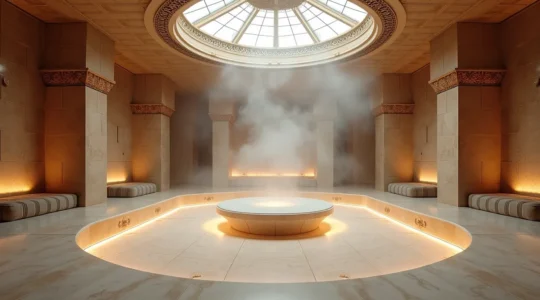
The essential difference is not about heat, but about philosophy: a hammam is a holistic, multi-step purification journey, while a steam room offers targeted, singular heat therapy. A traditional hammam is a complete ritual involving successive heat stages, deep exfoliation,…
Read more